Gummy Worms
- Daryl Ang
- Feb 26, 2024
- 5 min read
Updated: Mar 4, 2024
Composting Facility at Multi-Storey Carpark [ Research by Drawing ]
Featured in NUS ArchiVAL 2023 & Foundations for Home-Based Work Exhibition 2023 (Dr. Lilian Chee)
The project is awarded with a referral letter from Dr. Wong Zi Hao (PhD, NUS Architecture).




Abstract
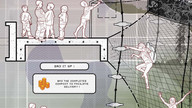
This design project investigates the invisible processes and labours involved in Singapore’s food waste landscape. This project speculates a composting facility within an existing multi-story carpark, which is located adjacent to a bustling market area, where a considerable amount of food waste is generated daily.
The design of ‘play’ (as educational strategy, and architectural programme and structure) is emphasised as a key means of engaging children with an interest in waste composting practices. A series of netted play structures interweaves between the functions of composting (inside the multi-story carpark) and farming (on the roof), activating the public as a visible body invested in the present state of waste management, and working towards a more sustainably responsible Singaporean future of food and waste consumption practices.



Investigation of Food Waste at Home
This project initiated with an exploration of food waste in residential settings, intensified by the pandemic's influence, which led to an increase in home-based work and meal preparation, thereby elevating food waste volumes in my own household. During this period, a desire for variety and the tendency to stockpile, driven by uncertainty, resulted in significant food spoilage and excess. Acknowledging that complete eradication of this issue was unfeasible, my focus shifted towards identifying a viable solution. Composting emerged as an effective method to transform food waste into valuable organic fertilizer, thereby facilitating a sustainable cycle of reuse.


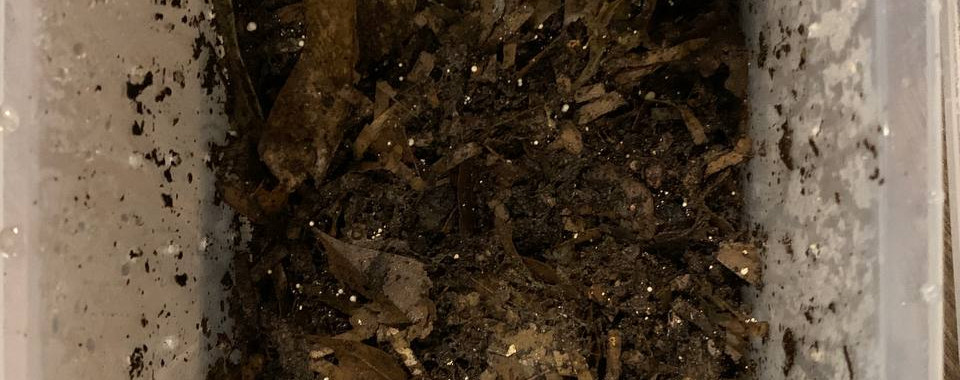


Image Gallery
Empirical Investigation: A Practical Approach
Embarking on a practical examination of composting as a strategy to mitigate food waste, I engaged in firsthand experimentation. This involved closely monitoring the natural decomposition of food and the emergence of maggots in untreated conditions. My curiosity led to the creation of an aerobic compost bin, along with a vermicompost bin (utilizing worms for composting), where the worms serve as accelerants to the composting process. Through these experiments, I gained insights into the mechanisms and efficiency of different composting methods.
During the investigation, I created sectional drawings of the compost bins at a 2:1 scale. This meticulous approach facilitated a micro-scale examination, enabling detailed observation of every aspect and organism involved in the composting process.

A Child-like Wonder
This exploration, particularly of the vermicomposting bin, reignited a child-like sense of curiosity within me, steering the focus of my project towards children as the primary user group. I hypothesized that through a child's perspective, the conventional disdain associated with the "grossness" or grime of leftover food and composting could be transformed into fascination. This shift in perception aims to replace repulsion with wonder, where the "monsters" in the bin—organisms such as worms and mites—become subjects of intrigue.
Reflecting my own evolved comfort and excitement with the worms, I chose to reimagine the depiction of the vermicompost bin. I redrafted the bin in detailed line drawings, capturing each organism with scientific precision but through a lens of wonder, diverging from the realistic style of my initial three drawings. This approach intended to mirror a child's imaginative view of the bin, contrasting with the typical adult perspective.
Where's Waldo
Building on the theme of wonder and exploration, the project incorporates a "Where's Waldo" inspired element by integrating a hidden object game. This aspect is designed to enhance visual literacy among children, fostering their ability to notice and differentiate details within a visual context. Such an engagement not only aids in developing their visual perception and attentiveness but also sharpens cognitive abilities, including problem-solving skills and concentration. The challenge of locating "Waldo" in this context serves as a metaphor for the patience and perseverance required in both the game and the broader learning process, instilling these virtues in young participants.




Wormopoly
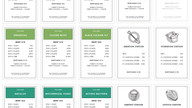
Expanding the educational exploration through children's games, the project evolved to include a variant of Monopoly, aptly rebranded as "Wormopoly." In this game, players are educated on effective composting practices through a system of incentives and penalties. For instance, players face penalties for overwatering the vermicompost, which risks drowning the worms, or are rewarded for regularly aerating their compost.
The underlying philosophy is that children assimilate knowledge most effectively when engaged in enjoyable activities. This approach not only aims to impart important composting practices in a fun and memorable way but also seamlessly integrates into the architectural design of my project. The game's principles are applied to the operation of a composting car park facility, where the concept of engaging children in productive labor is realized. Through this innovative method, the project successfully encourages young participants to take part in environmentally beneficial practices.
Site
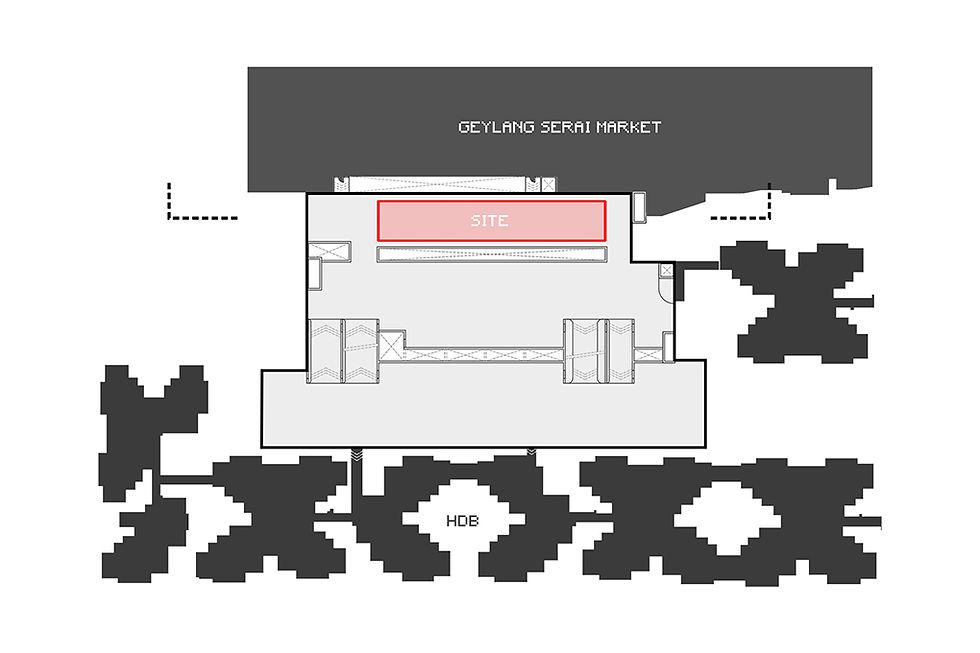
The selection of the project site was influenced by several critical factors, including proximity to food distribution and disposal centers (such as hawkers and grocers), as well as accessibility for families and children. Consequently, the Geylang Serai market in Singapore emerged as an ideal location.
This site effectively bridges the market and residential areas through a multi-storey carpark, which was chosen as the specific location for the project. This carpark, traditionally a service space, presents an opportunity for transformation through composting, converting what is often considered a wasteful and underutilized area into a productive and environmentally beneficial one.
Furthermore, considering Singapore's vision for a car-lite future and the anticipated decline in the necessity for multi-storey carparks, this prototype offers a scalable model. It proposes a future where similar composting carparks can be implemented across Singapore, repurposing existing infrastructure to support sustainable waste management practices.


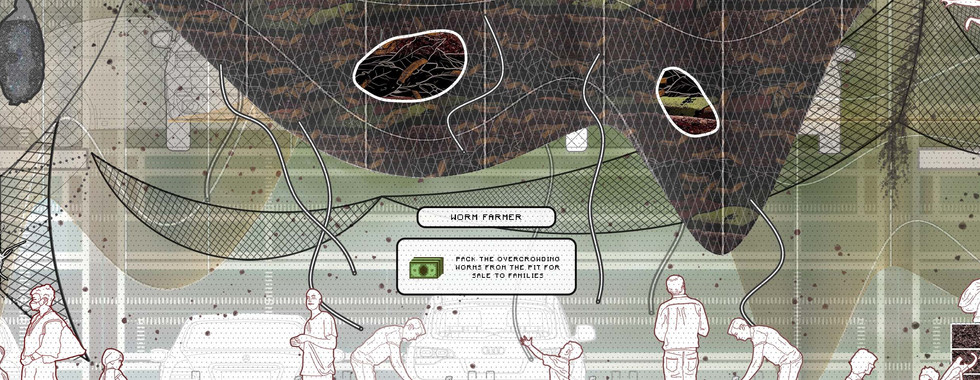




Long Section
An Interactive Waste Management Architecture
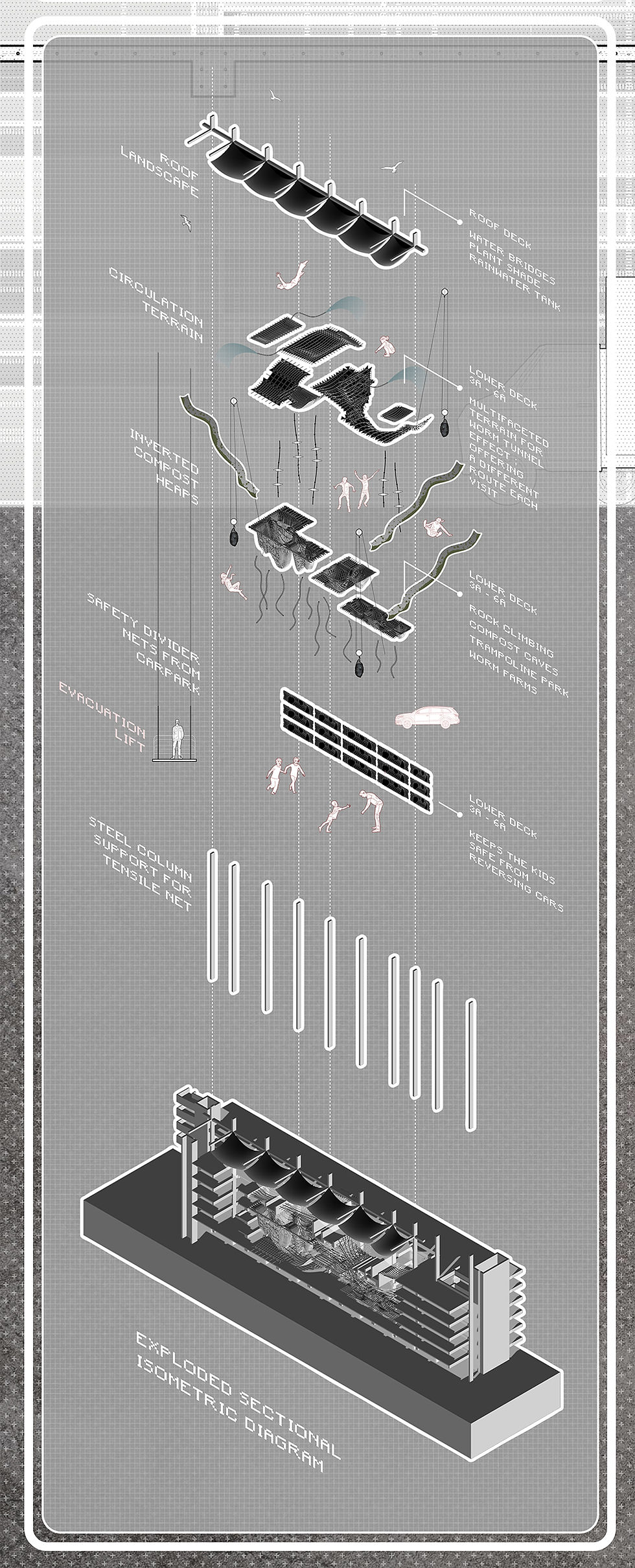
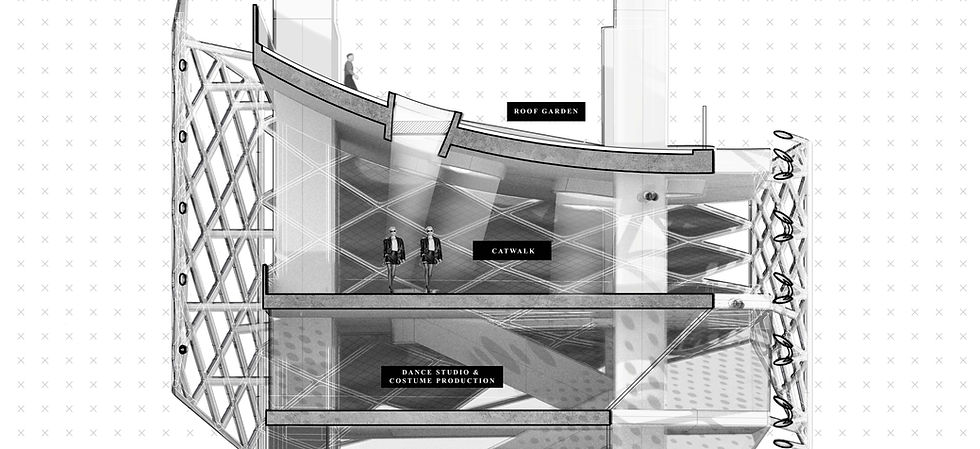
The architectural project features an innovative integration of netted play structures that weave through the dual functions of composting, housed within the multi-storey carpark, and farming, situated on the roof. This design not only activates the space but also positions the public as a visible and active participant in waste management processes.
To further captivate and educate children, paralleling the incentivization mechanics of the "Wormopoly" game, the project incorporates a system where children are rewarded with monetary incentives for completing various composting-related tasks within the playground. Activities such as jumping on a trampoline to aerate compost, chopping up unwanted vegetables for composting, or collecting leachate from the compost heaps not only engage children in productive play but also impart valuable environmental lessons.
This netted structure is more than a playground; it is a dynamic framework that evolves with public participation. Its form and function adapt based on the volume of food waste collected and subsequently, the quantity of compost produced. In this way, the architecture itself becomes a living, changing entity, reflecting the community's engagement with sustainability practices. This approach ensures that the structure not only serves as a physical embodiment of waste management principles but also as an educational tool that evolves and morphs in response to the community's waste reduction efforts, making sustainability a visible, tangible part of daily life.




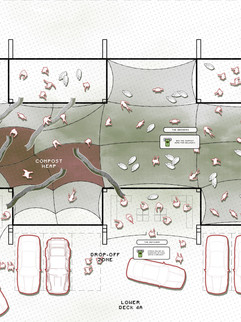


Part Plans

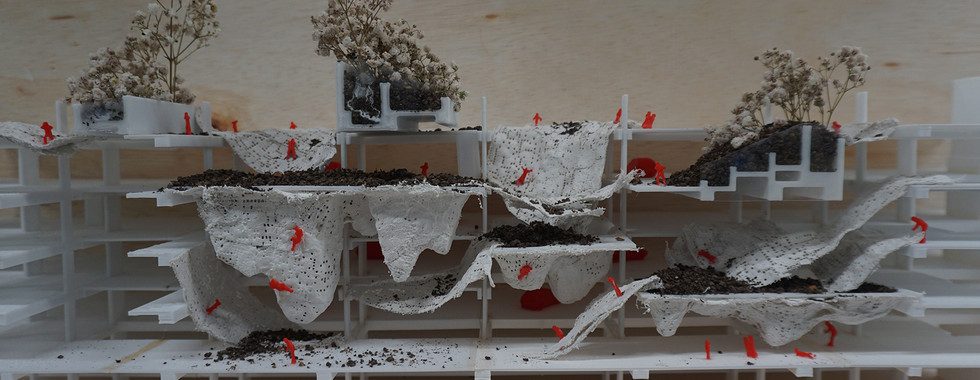



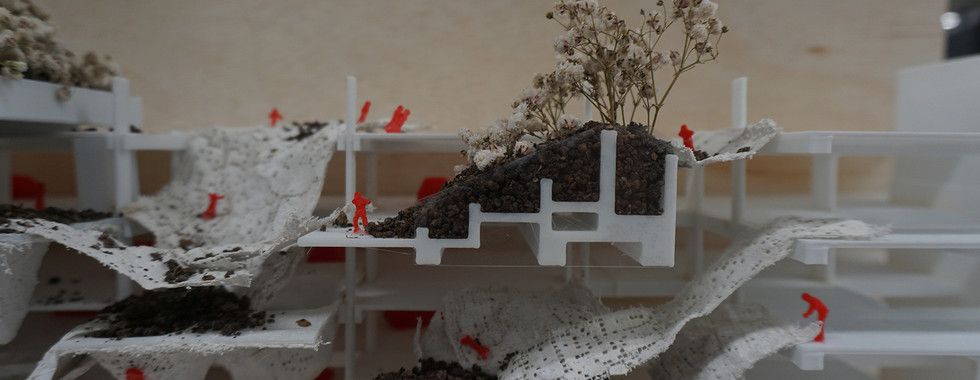
Physical Model (3D Print & Laser Cut)





Oral Defense & Exhibition


Video Documentation


Comments